
20 March 2016 | For every season
Leaf insects turn into butterflies1
In which our curious hero downloads an app, learns that endive and chicory are one and the same2 and searches for some frogs…
His calm demeanor was very impressive and he was quite patient with being photographed…
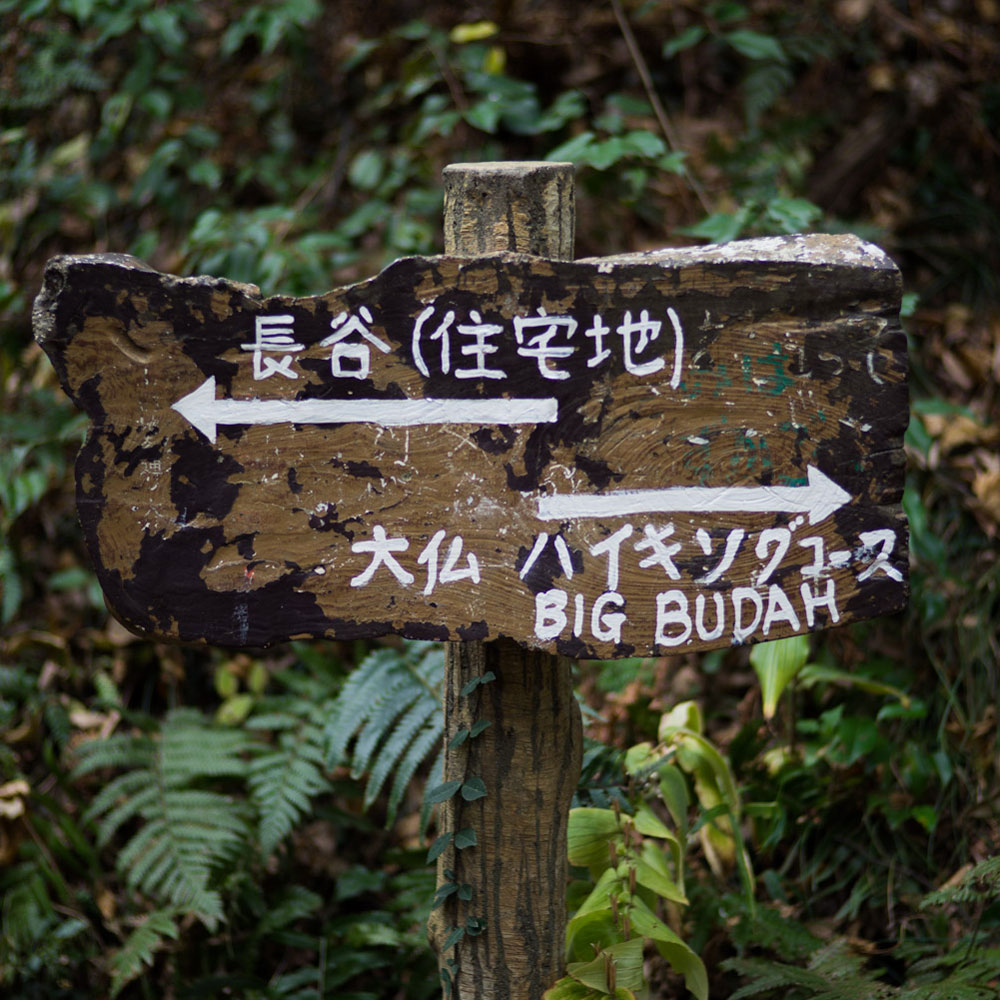
While planning for a recent trip to Japan, looking for ideas of what to see and do, I came across a number of informative web sites. Continuing to follow some, I am rewarded regularly with little tasty bits of Brain Kibble℠. Spoon & Tomago’s mention of the Utsukushii Kurashikata Institute’s 72 Microseasons app is a recent lovely example.
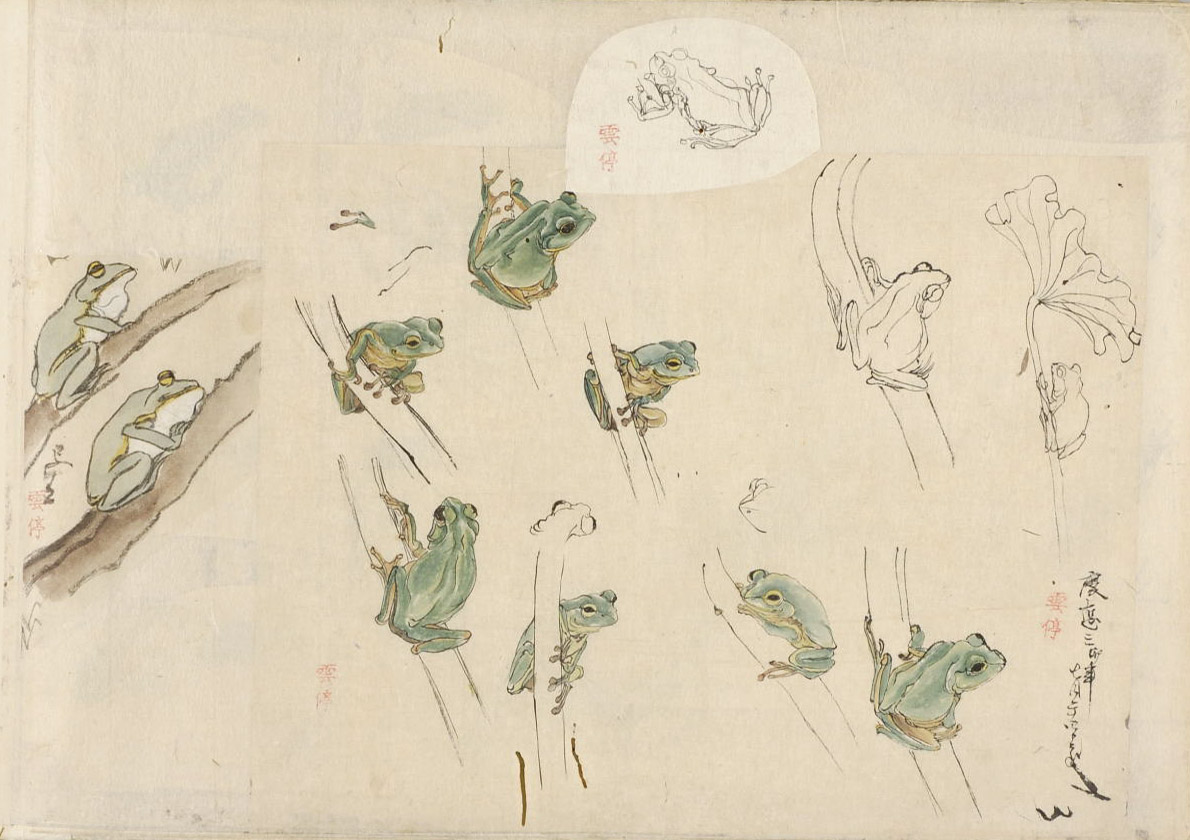
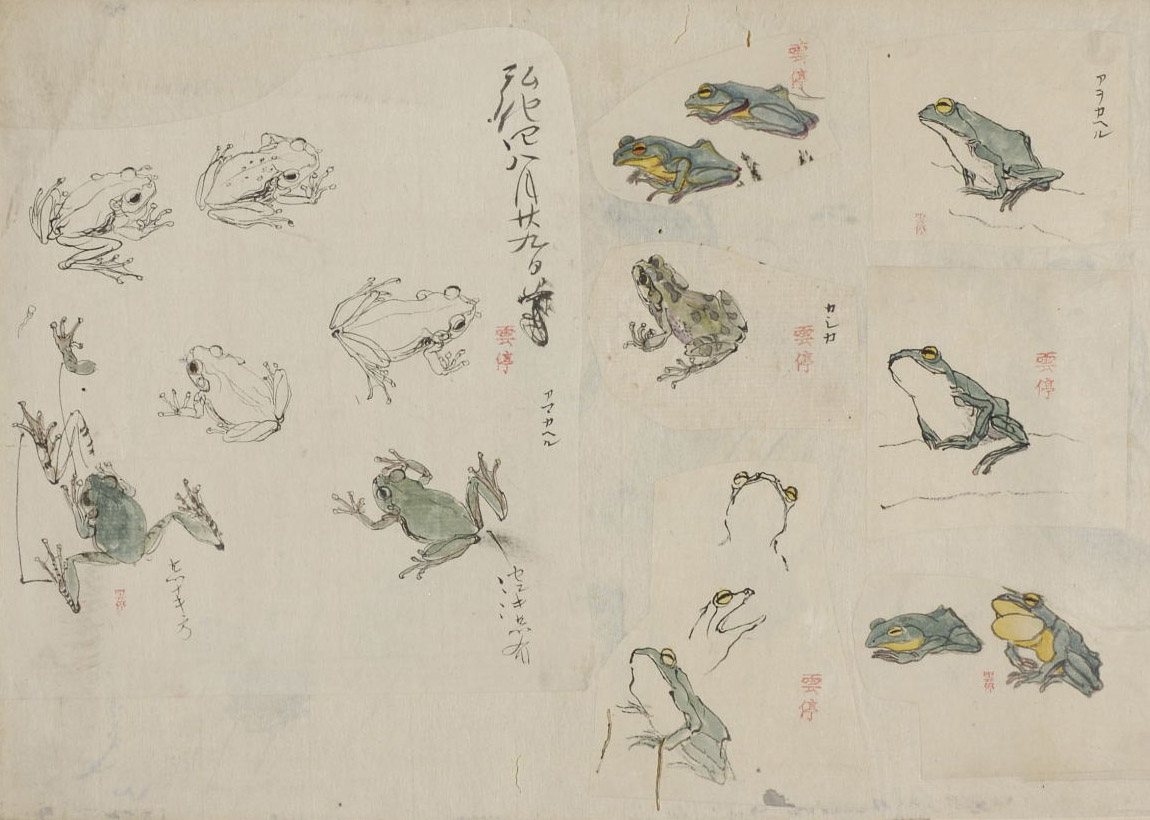
Research sketches for Takagi Haruyama’s (高木春山) Materia Medica (本草).
Seasons, a time for change
Over the years, up until the Meiji era3 when modernization saw the adoption of Gregorian calendars, the folks in Japan used a number of different systems to track the passing of days and years. Many cultures have derived calendars from lunisolar patterns, basing the measure of a year on the phases of the Moon and our planet’s journey around the Sun (okay, maybe we did not always understand that last part completely). Japan was no exception. Spring and Autumn were centered on the Vernal and Autumnal Equinoxes, for example. The four major seasons were each divided into six periods which, in turn, were divided into three brief “microseasons”, each lasting roughly five days. Another way to look at the maths…the year was divided into 24 solar terms (sekki, 節気) of roughly fifteen days and those solar terms into three smaller passages of time (kou, 候).
Either way you take it, 4 × 6 × 3 = 72 = 24 × 3, there you go, seventy-two “microseasons”.
Can you have too many frogs?
Unhindered by precise dates and times
By dividing the year into this five-day portions, focus shifts to the small changes and very local manifestations of the passage of time, something that is quite appealing. The timing of a particular animal emerging from hibernation or a specific species of plant flowering, becomes the centerpiece of a “season”.
Living in Singapore, a fairly-flat island at sea level and one degree off the Equator (1.3° North, 103.8° East), the seasonal changes are quite subtle. At least to someone born just-over halfway to the North Pole. Comparing where I was born to where I live, here are the record temperatures for past year:
| low | high | |||
|---|---|---|---|---|
| Bismarck, North Dakota, United States | −19°F −28°C |
105°F 40°C |
||
| Singapore, Singapore, Singapore | 73°F 22°C |
95°F 35°C |
Imperial or Metric, there is nothing subtle about the range of temperature extremes in Bismarck.
Also, the days here always are tweleve hours long, plus or minus a few minutes, but there is a drift to the period of daylight. Sunrise is between 6:46 to 7:17 a.m. and sunset between 6:50 to 7:21 p.m. Again, subtle.
There is part of me that yearns to be someplace where the cycles of change are more obviously-observable. There is another part of me that knows, if I look closely enough, I will be able to find patterns of change, no matter where I am.
Back to our regularly-scheduled app…
For each season, the 72 Microseasons app shares a brief narrative and a poem (with translation, some backstory, and biography of the poet). Information about a plant you might find coming in or into its peak is followed by foodstuffs. It was with these stories of seasonal seafood and veg that I learned that chicory and endive are the same plant.2
The app updates on the microseason cycle, every five days or so, but there is a catch. Beyond the overall annual cycle, you only see the details for the current season—no past, no future, only the present—“unhindered by precise dates and times”.
I will take this as an example of positive impermanence and something to help me with my practice on being present in the current moment…
On this Vernal Equinox4, may I be the first to wish you a happy first day of 雀始巣 (Suzume hajimete sukū, Sparrows start to nest) in the 節気 of 春分 (Shunbun, Spring Equinox), the fourth portion of Spring. Be certain to eat your horsetail plants (best harvested before they pollenate, apparently) and watch your step as the Sun crosses the celestial equator.
Chronologically yours,
— Ken

P.S. Speaking of frogs (and toads) speaking, Sounds of North American Frogs on the Smithsonian Folkways label makes me smile and 「ケロケロ」 and, sometimes, 「げろげろ」.
P.P.S. See also, The School of Life’s short film, History of Ideas—Wabi-Sabi.
P.P.P.S. Here are some more sources exploring the microseasons: “Japan’s 72 Microseasons” on www.nippon.com; “七十二候: Japan’s 72 Seasons” on Wide Awake in Japan; and “七十二候” on Japanese Wikipedia (If you don’t read Japanese, which I do not, it is fun to see how Google translates: “Frog start squeaking”.)
-
No butterflies were harmed in the writing of this post. See also. ↩
-
But not curly endive — that is something else entirely. ↩
-
The changeover happened in year 6 of the Meiji (明治) era — that would be 1873 for those Gregorian calendar users out there. ↩
-
If I lived 142.9 km to the south, it would be “Autumnal”. ↩
Systemized with brain kibble and observations |
permanent link
A person with a new idea is a crank until the idea succeeds.
— Mark Twain
17 March 2016 | Spectacular moonrise over Singapore
Moon Haze by Feng Jiacheng and Huang Yuanbei. As seen at “i light marina bay”, Singapore, 15 March 2016.
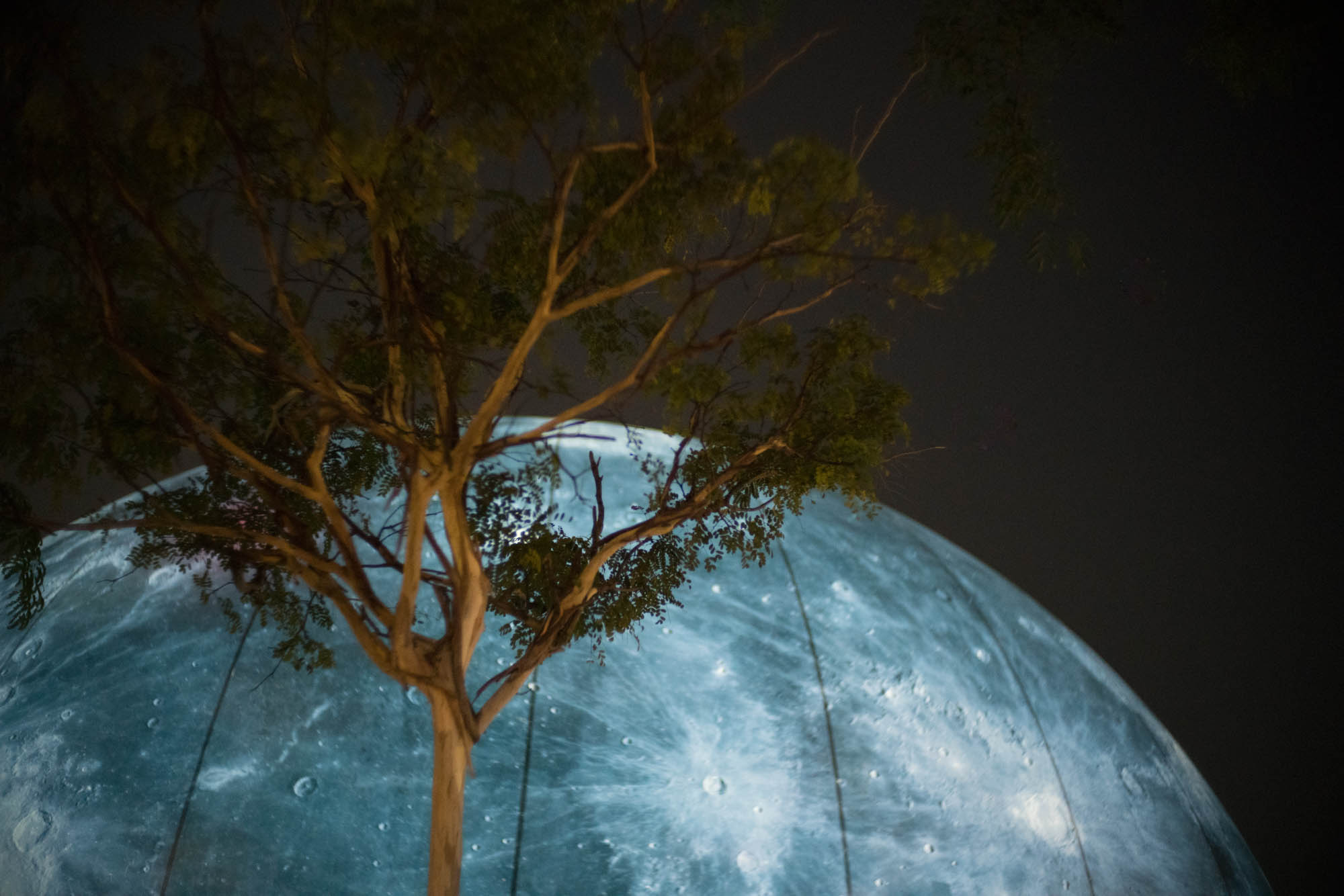
When you live one degree off the Equator, the Moon looks so very big in the sky. I was so distracted, I completely missed the honky tonk parade…
Collocated with brain kibble, observations and photography |
permanent link
Hitchcock loves to be misunderstood, because he has based his whole life around misunderstandings.
— François Truffaut
09 March 2016 | Improvised eclipse
Actual size: 0.5cm or 1,392,684km, depending on how you measure it.
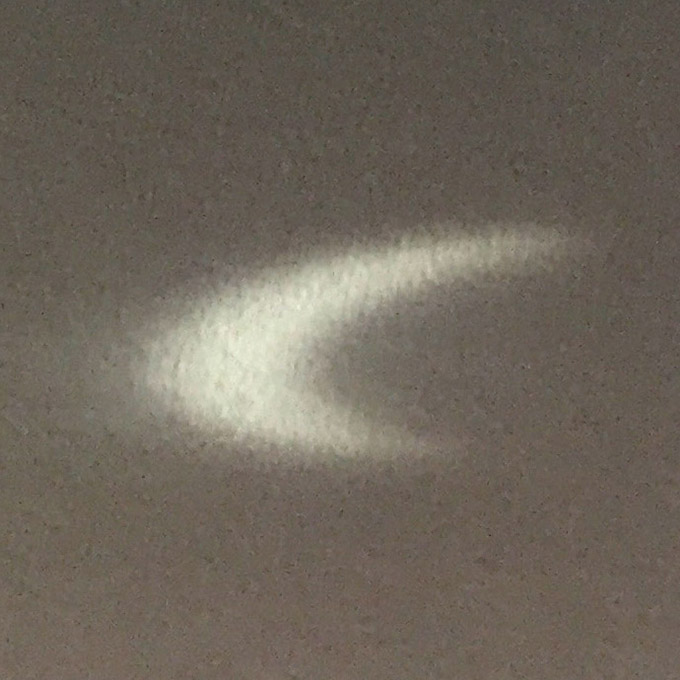
There was a solar eclipse today, captured here on a piece of paper in the Sandcrawler pantry through an improvised pinhole. (You wouldn’t have thought that the Jawas would have a pantry, would you?)
Systemized in brain kibble, observations and photography |
permanent link
I would always rather be happy than dignified.
— Charlotte Brontë
05 March 2016 | Cultivating ambiguity
A sheep, a snake, and Al Capone walk into an art museum…
I made my first (belated) visit to the newly-opened National Gallery Singapore last night. Ah…the smell of fresh paint! Impressive space, a nice melding of the original buildings and new construction. Much too much to see in an evening (but I love the fact that they stay open until 10 p.m. a couple of time each week).
One of a the current shows examines the ideas that drifted into regional art in the 1970s, including Malaysia artist Redza Piyadasa’s take on conceptual work.
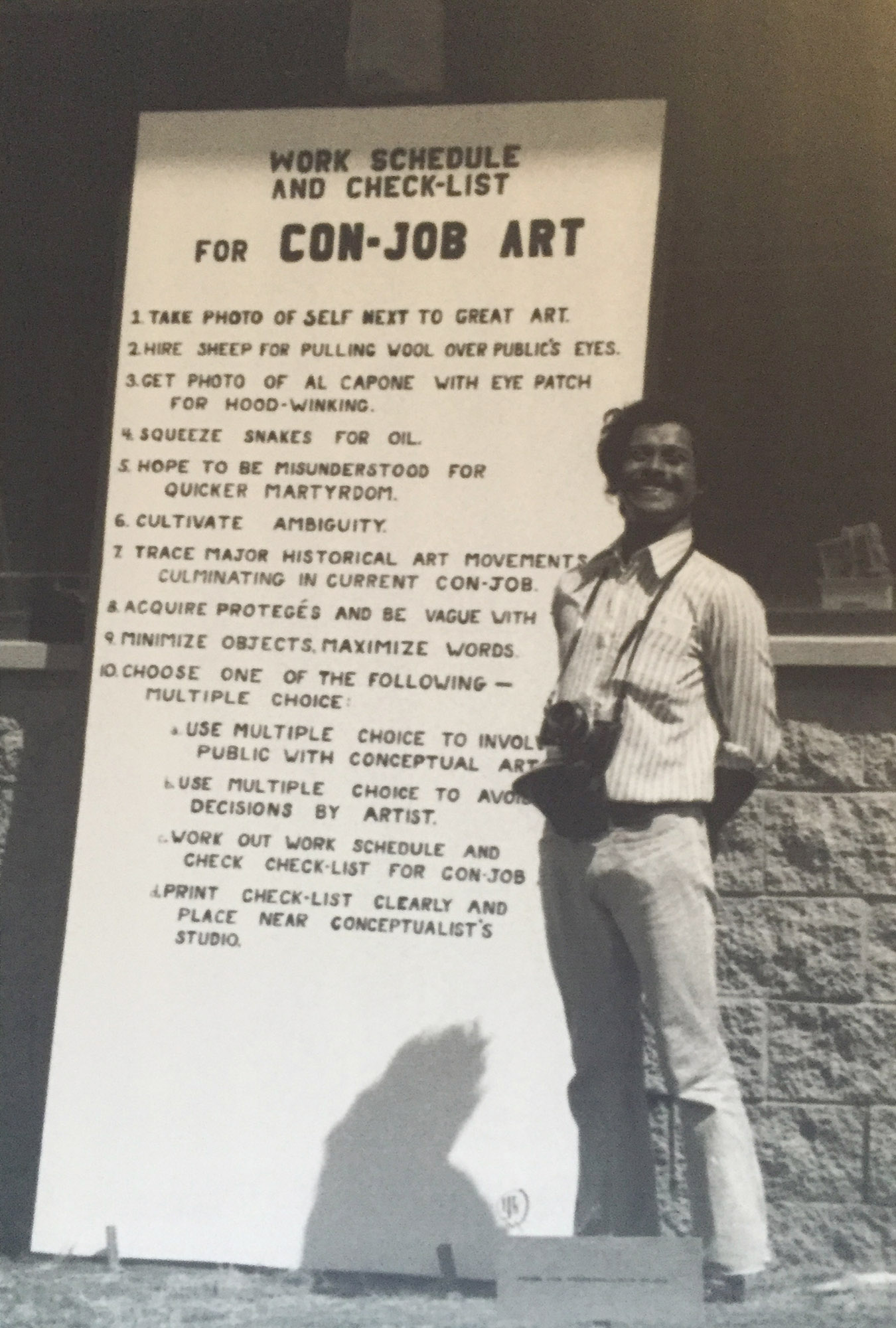
While spending some time at the University of Hawaii, a contemporary of Piyadasa’s, Laura Ruby, did not take well to what she saw as “con job art”, creating and displaying the following outside of Piyadasa’s work space:
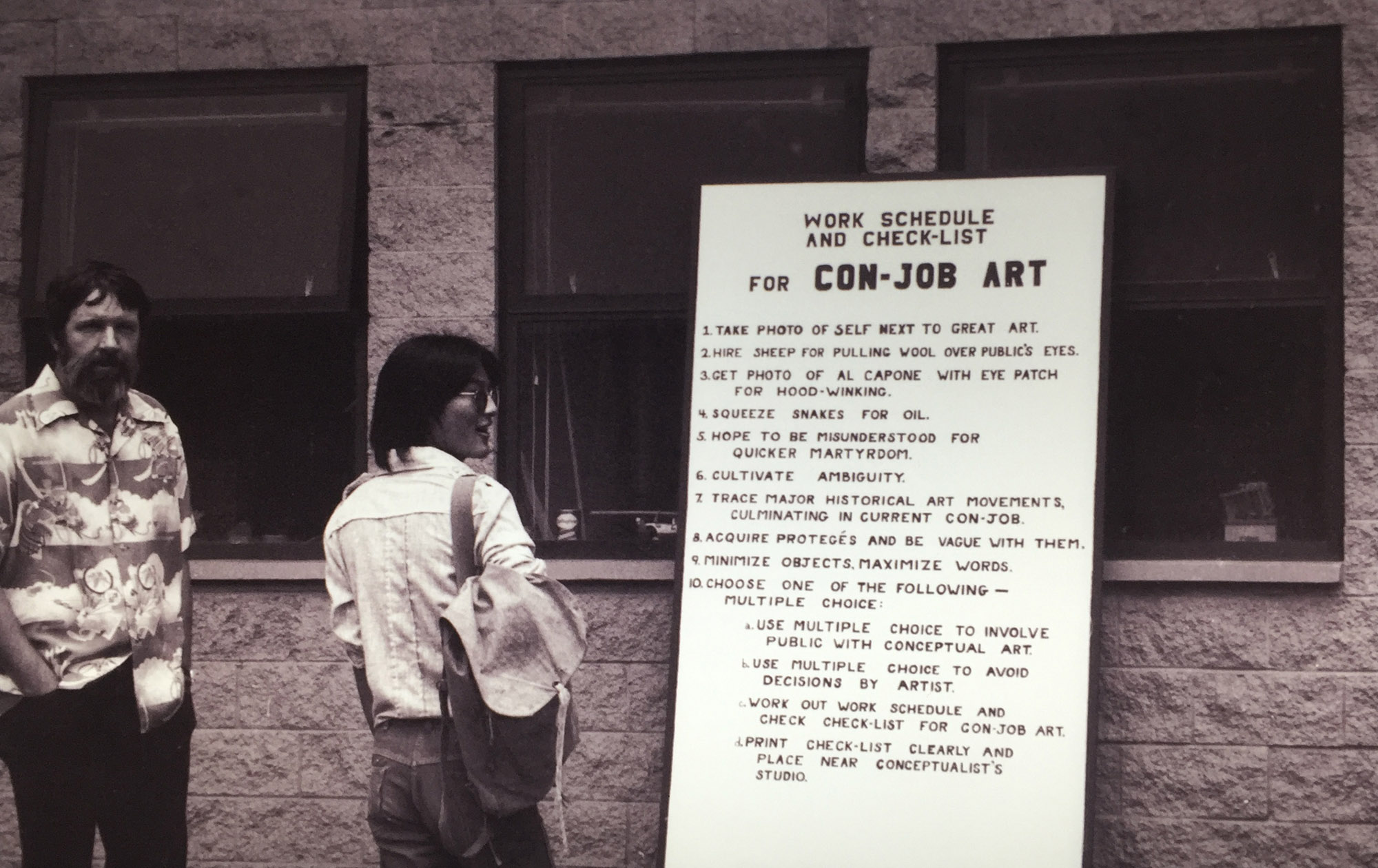
What happens if you take a selfie with an eye-patch-wearing snake in a wool sweater? Or, a selfie with a snake while wearing an eye patch and a fluffy, wool sweater? Or, …
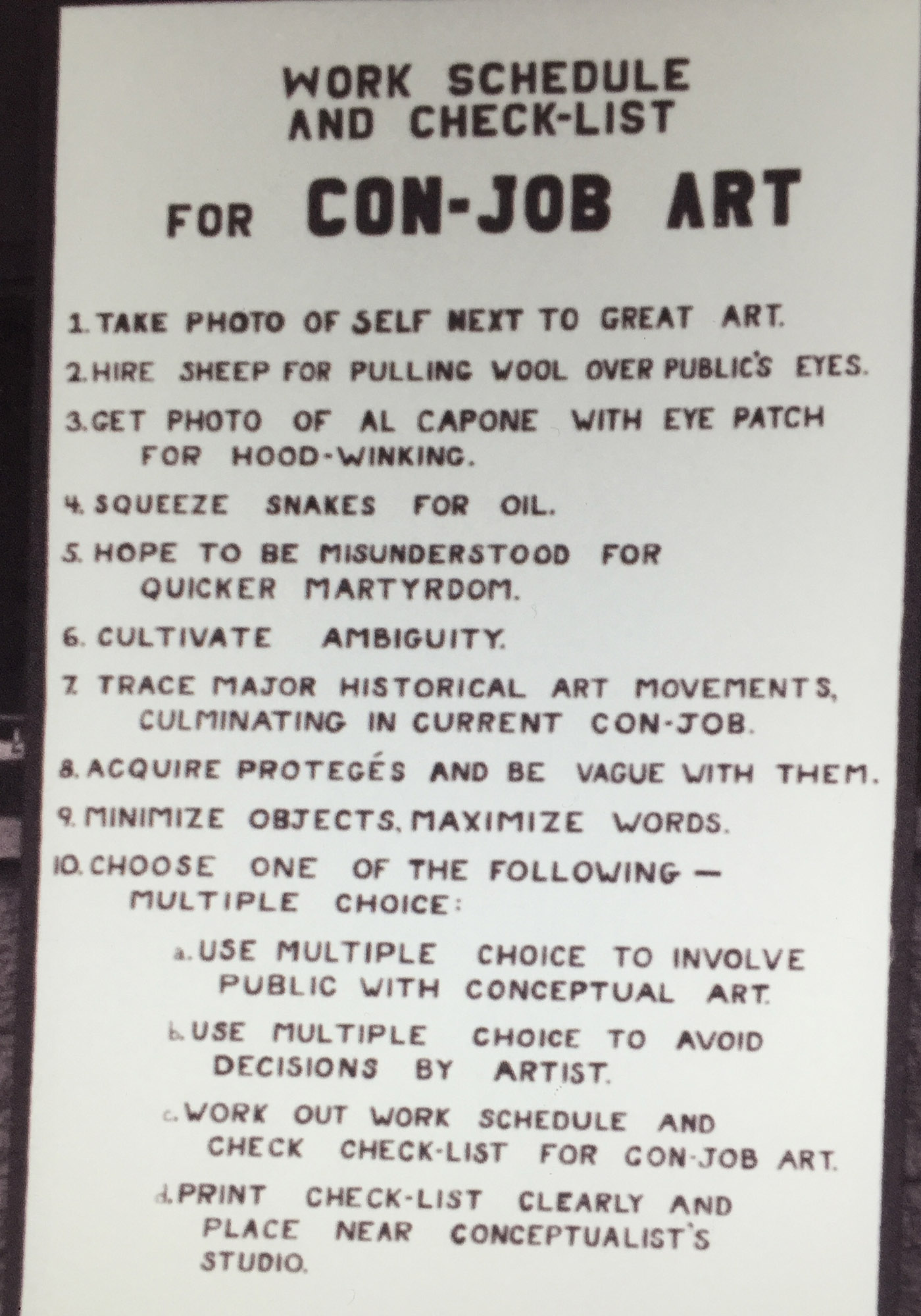
“6. Cultivate ambiguity.”…I do not consider myself a conceptual artist, but I do abide by this. A little ambiguity is a good thing. Purposeful ambiguity, even better.
“8. Acquire protégés and be vague with them.”…Hmmmm…I see potential there…internship, anyone?
I love the fact Piyadasa took it all in stride, posing proudly with the manifesto:
I find my reactions to conceptual art to be just like my reactions to any other art…some of it I like, some of it I don't. As a practitioner and an appreciator of art, the important thing is to not walk away from something I don’t like, but to give some thought to the deeper reasons why I am reacting to the work the way I am. How do my past memories and experiences color my reactions to something?
When it comes to art, I also layer some additional credibility (and credit-bility) to the first person to do something for the first time. First person to hang a uniform white canvas in an exhibition…okay, I’ll give that to you. Make a career of it or make an exhibiton of various shades/tints/hues of “white”…well, that’s when I get a bit suspicious.
And, sometimes, I just think it is just a con job.
Ambiguously yours,
— Ken
—————
The “A Fact Has No Appearance: Art Beyond the Object” exhibition continues through 19 June 2016 at the National Gallery Singapore.
No snakes were squeezed in the making of this post.
Original photographs by Peter T. Brown. Reasonable facsimiles reproduced here facilitated by the National Gallery of Singapore’s thankfully-liberal policy on photography.
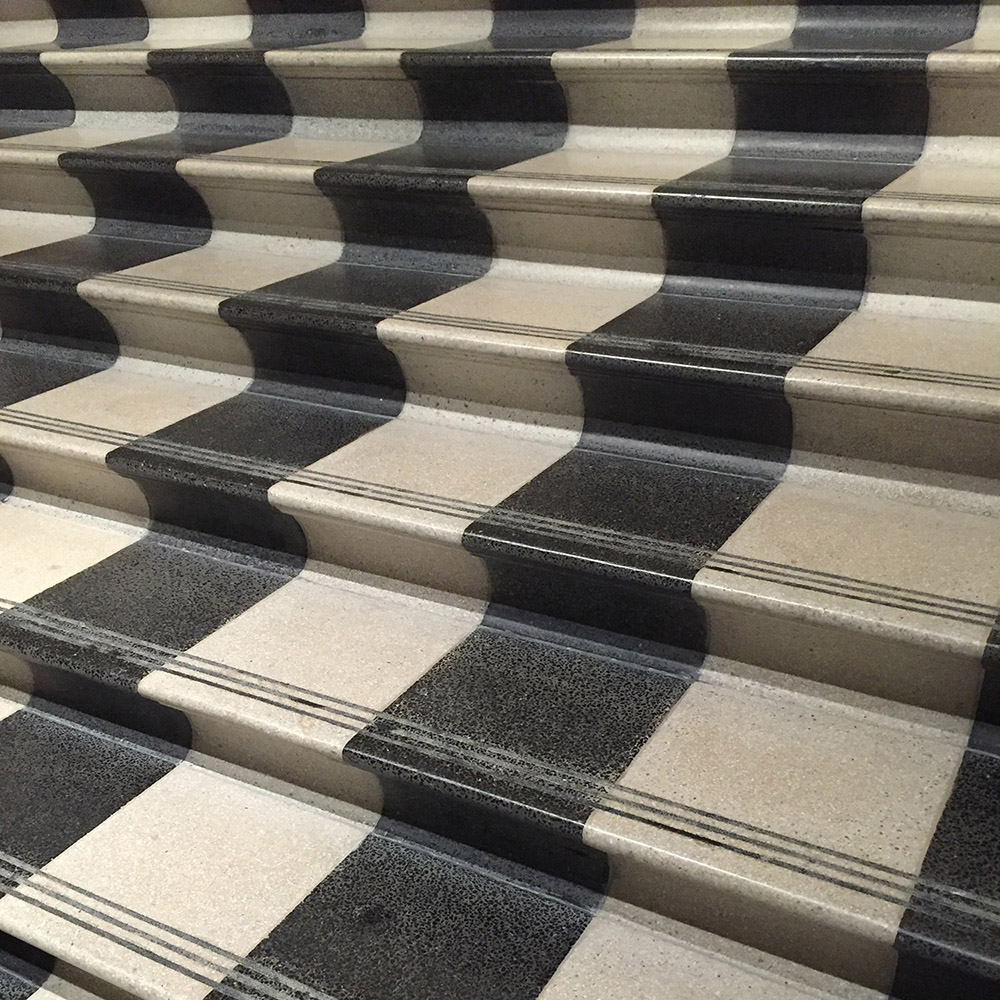
P.S. I very much like the striped staircases that the museum inherited from the former Supreme Court building:
Tucked away in brain kibble and observations |
permanent link
There are many things of which a wise man might wish to be ignorant.
— Ralph Waldo Emerson
28 September 2012 | Morning chorus
Heard on my early morning wander. They were particularly boisterous today…
Organized in brain kibble and sound |
permanent link
Order is not pressure which is imposed from without, but an equilibrium which is set up from within.
—Jose Ortega y Gasset